



Spring 2026
Spring 2026
Eucatastrophe & The Sudden Joyous Turn
mARCH — mAY 2026
Spring is the season when impossibility becomes possible. Just when winter seems interminable, life bursts out of what seems dead. The hard earth cracks open. Buried seeds thrust toward light. What looked like an ending reveals itself as a beginning.
Tolkien called moments like this a "eucatastrophe," a sudden joyful turn when all else seemed lost. It marks the best scenes in so many great stories. The stone rolls away. The king returns. Death itself dies.
But here's what we often miss: a eucatastrophe isn't just the climax of the story. It's the pattern of reality itself.
Every seed that falls into the ground, every winter that gives way to spring, every small death that leads to resurrection participates in the Great Story. The sudden joyous turn isn't an out-of-nowhere miracle—it's the shape of how God works in the world, again and again, in ten thousand places.
This spring, we'll explore what it means to live as people of eucatastrophe—not just believing in Easter as a past event, but recognizing its pattern everywhere. We'll learn to see resurrection not as escape from the material world, but as its consummation and fulfillment. We'll discover how Christ's incarnation, death, and resurrection didn't innovate a new story, but brought the original story to its turning point.
The pattern—which models the coming hope in the face of seemingly hopeless situations—surely has power to reset the spirits of anyone encountering a frightening diagnosis, a devastating disappointment, a loved one’s death. For this is what resurrection looks like: seeds dying and rising, small acts of faithfulness becoming eternal, the material world shot through with glory—and everything, everything, turning toward the sudden joyous turn of Easter morning.
For the Season:
-
Featured Articles
How Faith Defeats Us: A reflection on Reformation poetry and its glimpse into the death found in faith, and the life given through grace.
What Lent Feels Like: But for now, it is enough to get back up and roll away the stone.
What Christians Get Wrong about Lent: Exploring how Lent is “the spring of hope,” just like the season itself.
-
Imagination Redeemed
Coming Soon!
Dark Fairy Tale Stories (March)
Cinderella Stories (March)
The Long Defeat (April)
His Heart Beats (April)
The Eucatastrophe Training Manual (May)
Believe to See
Coming Soon!
-
Newcomers Dessert
Friday, March 6, 2026
7:00pm – 9:00pmStay Tuned for…
Les Mis Sing Along (March)
Common Room (April)
Time for Tea (May)
-
Artist Feature
Glitter, Hope, and the Art of Dylan Mortimer
Music Feature
Coming soon
March 2026
March 2026
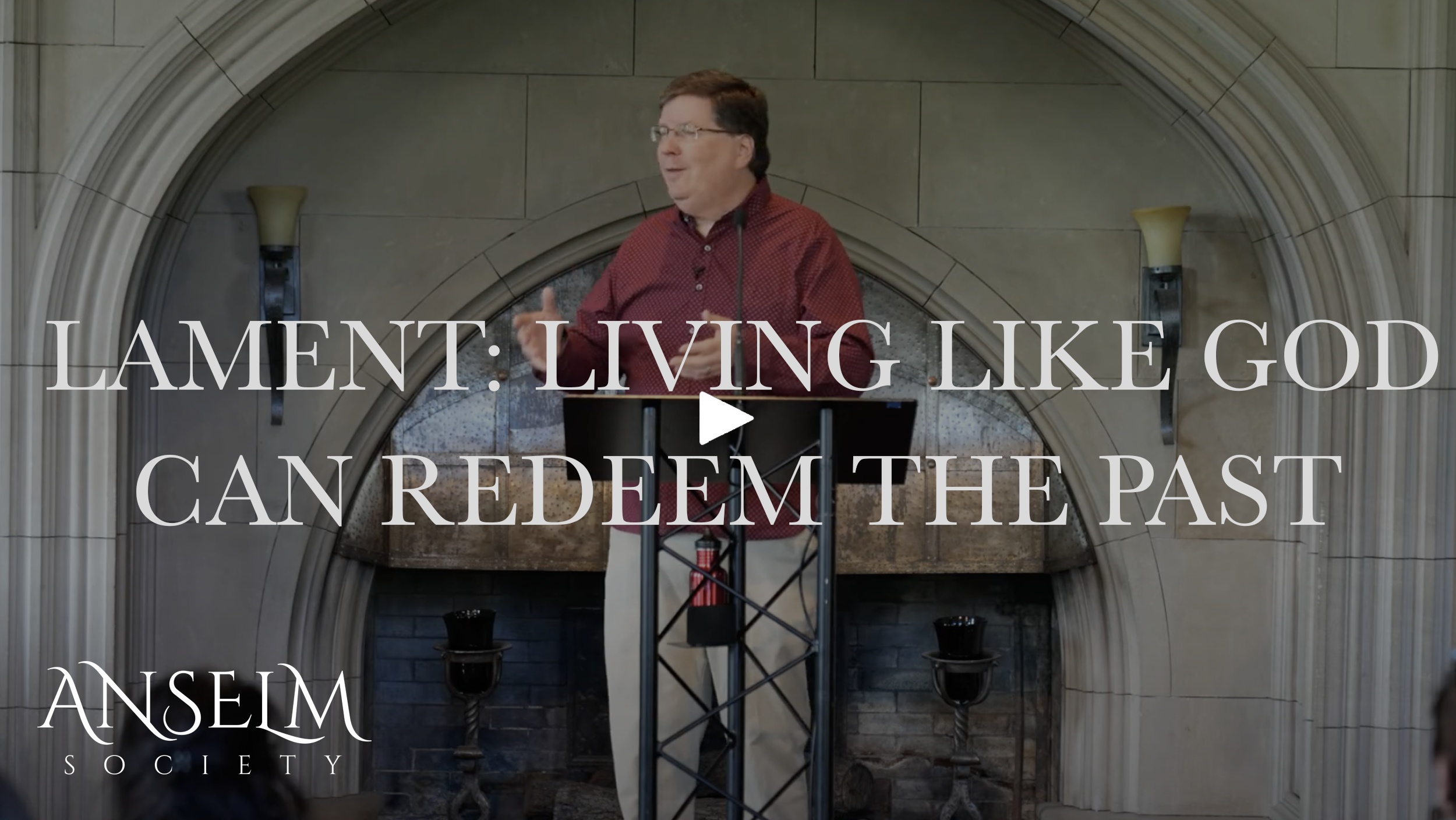
When tempted to despair, the Psalms of lament help us learn to speak grief and hope in the same breath. Paul Buckley, at an Imagination Redeemed Conference breakout session, explores (and yes, sings) Psalms of lament. Watch Now →
Gatherings
NEWCOMER’S DESSERT
Friday, March 6, 2026
7:00pm – 9:00pm
Stay tuned for…
Les Mis Sing Along
Common Room
Time for Tea
FEATURED CONTENT
Imagination Redeemed Podcast
In every episode, we retell one of the great stories, then follow its illumination to delve deeper into conversation about how to enter into the life of the Christian imagination.
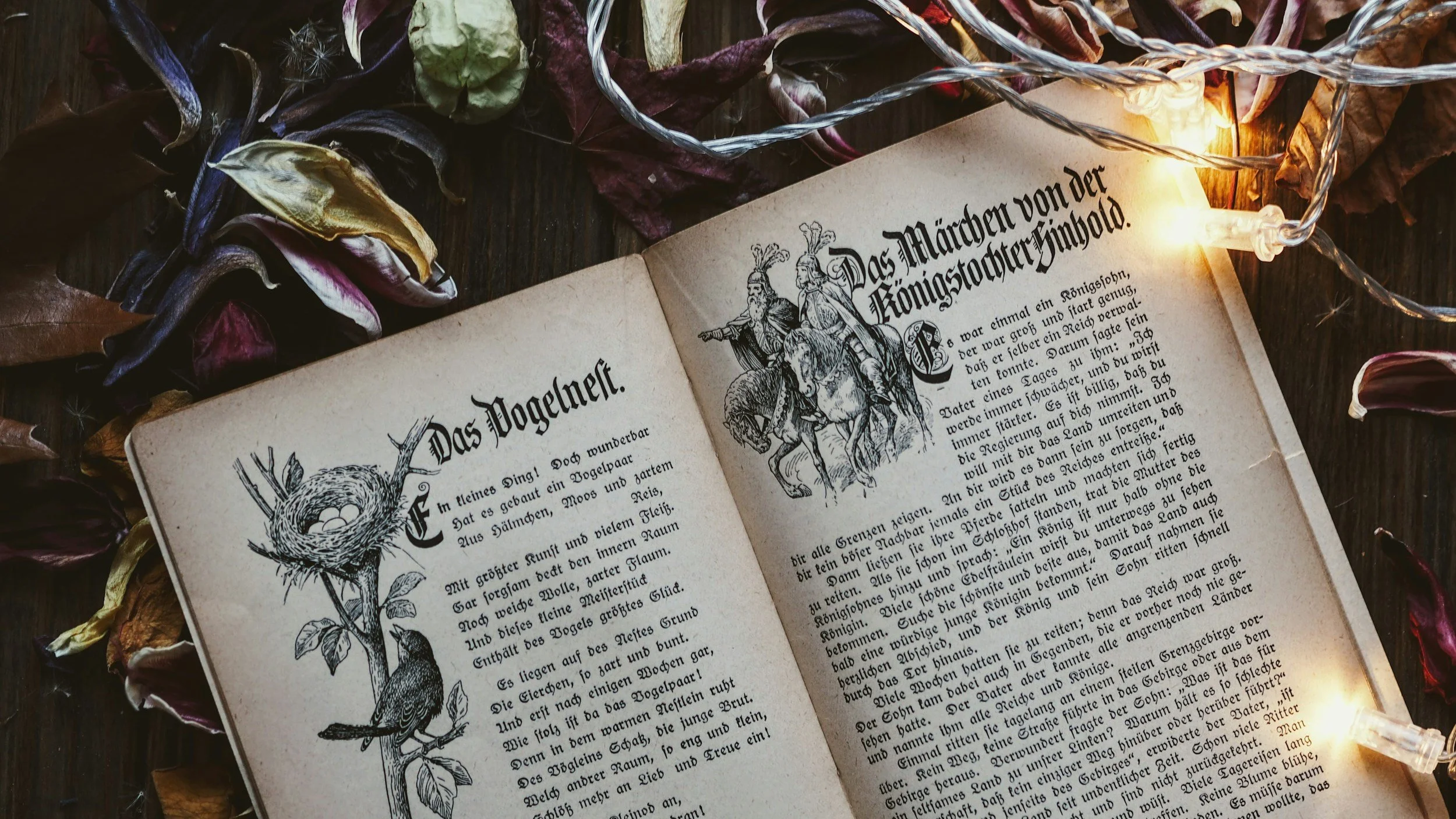
Dark Fairy Tale Stories
Why are so many fairy tales creepy, dark, and even tragic? These stories endure because they reflect a deeper truth that children need to know: the world contains real danger and real sorrow—and that courage, faithfulness, and hope matter precisely because darkness is real.
Subscribe to Anselm’s Substack to receive the full show notes.

Anselm Voices
Fr. Ken Robertson “tHE ART OF LAMENT”
Anselm member pastor Fr. Ken Robertson explores the art of lament as a response to grief…and as a way to walk with God through darkness.

Podcast Episodes, Articles, and More







April 2026
April 2026
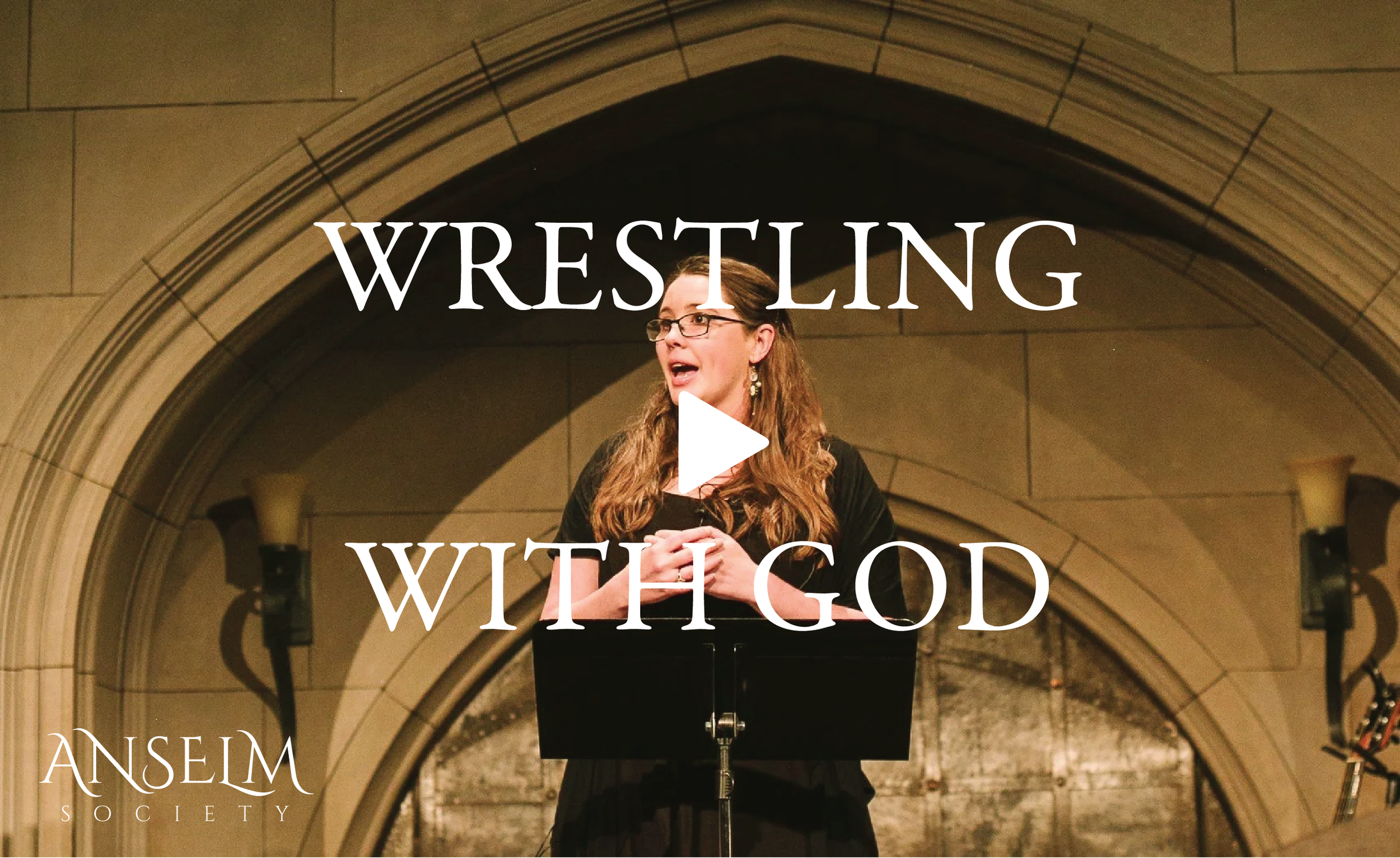
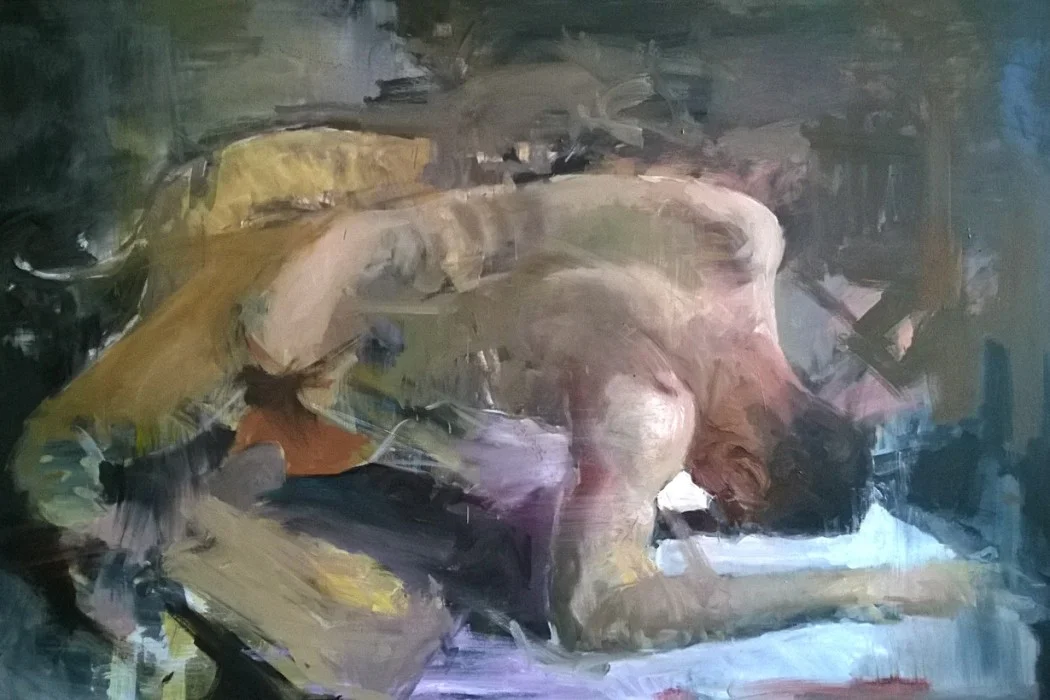
To live as people of eucatastrophe—not just believing in Easter as a past event, but recognizing its pattern everywhere— We need to face our fears, doubts, and hope. With the help of world-class English teacher Michelle Drake, join in a discussion on how the works of the Christian poets of the past can help us voice our fears, our doubts, and ultimately our hope in God. Watch Now →
Gatherings
COMMON ROOM
Saturday, April 18, 2026
12:00 PM – 4:30 PM
Stay tuned for..
Time for Tea (late April)
Arthurian Feast (early June)
FEATURED CONTENT
Imagination Redeemed Podcast
In every episode, we retell one of the great stories, then follow its illumination to delve deeper into conversation about how to enter into the life of the Christian imagination. (New episodes coming soon)
Are You More Spiritual Than God?
What if the resurrection isn’t about escaping the physical world, but redeeming it? Join Brian, Sarah, and special Guests Andrew Roycroft and Lancia Smith!
Subscribe to Anselm’s Substack to receive the full show notes.
Artist Feature
Edward Burtynsky's Sublime Angle on the World
Anselm Voices
Dr. Vander Lugt’S “Gritty Hope and the Gift of Art”
Guest lecturer from Gordon Conwell Theological Seminary, Dr. Vander Lugt explores how art can give us visions of the new heavens and earth and do justice to the way things currently are. These visions can activate our individual imaginations and collective will to stay with the trouble as we are sustained by hope.

Podcast Episodes, Articles, and More






May 2026
May 2026
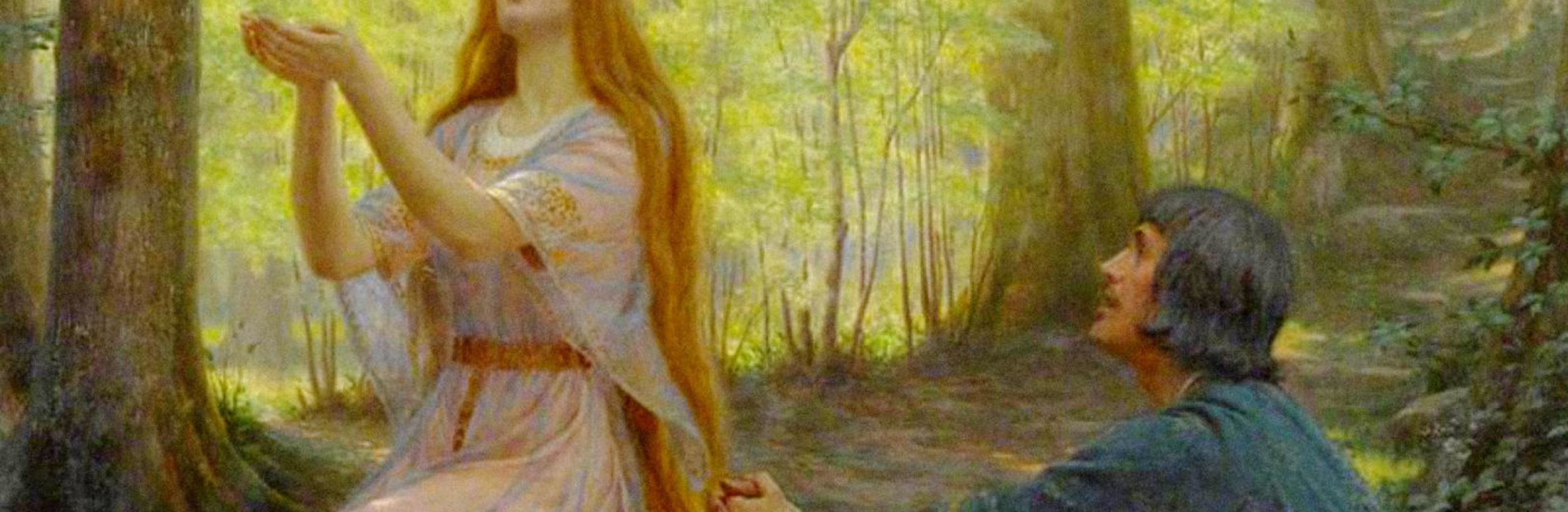
Participating in Eucatastrophe
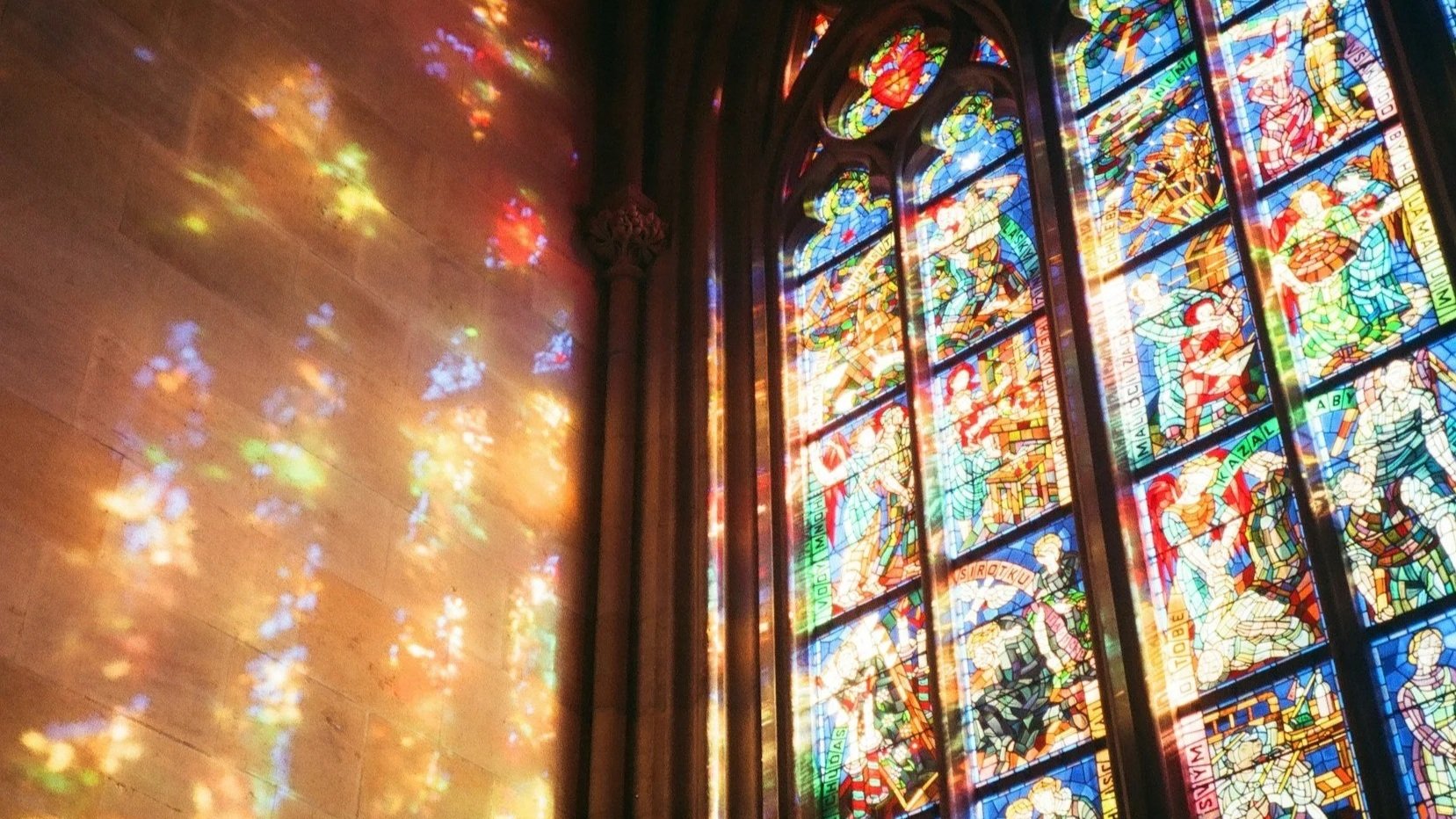
How to See Like a Saint
A five-part class by Brian Brown.
Whenever we come across stories of the saints, it seems like they see something differently than we do. Something that enables them to not just keep it together, not just behave themselves, but transform everything around them. What is it? And can we learn to see it too? Start Now →
Imagination Redeemed Podcast
In every episode, we retell one of the great stories, then follow its illumination to delve deeper into conversation about how to enter into the life of the Christian imagination. (New episodes coming soon)

the long defeat
Brian, Amy, and Christina explore the story of Athanasius—the young deacon at Nicaea who spent the next forty-five years in exile, writing his way through a church that had largely capitulated to heresy. He didn't live to see the tide turn. He kept fighting anyway.
The Long Defeat isn't failure. It's faithfulness in the arc of a story bigger than one lifetime.
Gatherings
TIME FOR TEA
Sunday, May 17, 2026
2:00pm – 4:00pm
COMMON ROOM
Saturday, May 30, 2026
12:00 PM – 4:30 PM
Stay tuned for..
AN ARTHURIAN FEAST
Saturday, June 6, 2026
5:30pm – 8:30pm
ANSELM DENVER
DENVER COMMON ROOM
Saturday, May 30, 2026
12:00 PM – 4:30 PM
Stay tuned for..
MATTHEW CLARK HOUSE CONCERT
Wednesday, June 3, 2026
6:00pm – 9:00pm
Subscribe to Anselm’s Substack to receive the full show notes.
Artist Feature
Edward Burtynsky's Sublime Angle on the World
Anselm Voices
Jessica Hooten WilsoN’S “Sainthood in Literature”
Jessica Hooten Wilson is the Fletcher Jones Endowed Chair of Great Books at Pepperdine University (’23). This lecture is from the Imagination Redeemed conference at Glen Eyrie, September 24-25 2021.

More Food for Thought





Exploring how Lent is
“the spring of hope,” just
like the season itself.